

Callum Gaskell and Bulent Gokay
Download PDF
Aug 18 2025
0
viewsWarlokA/DepositphotosBritish PM Keir Starmer warned President Trump ahead of the Trump-Putin summit on 15 August in Alaska: Never trust Putin. Trust in global politics is complex and difficult to define. Buildinga relationship over time, where both sides expect each to deliver, is far more effective than relying on some deferential, instinctive trust. International relations, especially negotiations for ceasefires and peace, should not depend solely on trust. Instead, its vital to offer incentives to both parties, showing that stopping the fighting benefits everyone. One might remind Keir Starmer of a quote from a former British Prime Minister,Lord Palmerston, who as Foreign Secretary in 1848, facing a Europe convulsed with revolutions, told the Commons that We have no eternal allies, and we have no perpetual enemies. Our interests are eternal and perpetual, and those interests it is our duty to follow.
A three-hour meeting between American and Russian representatives ended without any concrete results. Trump set aside his previous threats, as well as his comment about being very unhappy if a ceasefire was not agreed. Instead, he described the meeting as extremely productive, even as Putin remained resolute on his maximalist demands to end the war and made no concessions on the battlefield, where Russian forces recently breached Ukrainian lines and gaineda tactical advantage in southern Donetsk, resulting in further Ukrainian territorial losses. After nearly three hours, the leaders issued a joint statement to the media and departed without answering questions. This clearly shows that Vladimir Putin and Donald Trump still have significant disagreements regarding the war in Ukraine, and this meeting is the start of a longer process to achieve peace.
Although there have been no official announcements, the summit indicates a shift in the United States approach towards Russia. For numerous years, Washington regarded Russia as a pariah state, as part of a comprehensive initiative to diminish the threat from its significant military capabilities. For three years, it was asserted that Russia was isolated; however, presently, a splendid red carpet has been laid out for the Russian President in the United States.
TheFinancial Timescommented that the summit marked an emphatic end to years of western attempts to isolate Russian President Vladimir Putin. The Russian President temporarily stepped into the geopolitical spotlight, appearing alongside the leader of the worlds most powerful nation. Trump has yet to persuade Putin to terminate Russias conflict in Ukraine. Although the recent Anchorage meeting may seem underwhelming to some, reports inthe mediasuggest that the Russian leader reportedly told the US president he wants the eastern Donetsk and Luhansk regions in exchange for relinquishing other Ukrainian territories held by Russian troops. Russia already controls one-fifth of Ukraine, including about three-quarters of Donetsk province, which it first entered in 2014.
Currently, the debate on the Trump-Putin ceasefire negotiations mainly focuses on whether Ukraine should sacrifice territory for peace or continue fighting until every Russian soldier is driven out. This binary perspective oversimplifies the issue and lacks practical usefulness. It should now be evident that defeating the Russian forces on the battlefield is nearly impossible without ongoing, increased Western support. The so-called red lines set by the Kremlin have been continually crossed by Western military aid, including anti-armour weapons, main battle tanks, fighter jets, and deep strike missiles. However, the looming risk of nuclear escalation will probably cause the West to remain hesitant about providing more support too rapidly.
Adequate assistance to secure a swift and decisive Ukrainian victory, as Lord Palmerston would agree, is not in the Wests best interests. Preventing Russia from achieving its strategic objectives takes precedence, but not if it pushes Putin into a corner where he believes the limited use of nuclear weapons becomes necessary to avoid total defeat. Furthermore, the substantial resources Russia allocates to Ukraine reduce what it can dedicate elsewhere. The fall of the Assad regime in Syria exemplifies this. Therefore, a prolonged and costly war in Ukraine might ultimately serve to protect the rest of Europe from any prospective Russian threat.
Although military aid to Ukraine has increased significantly in speed and scale, a Russian defeat still appears unlikely. While Russian casualties rise, they do not pressure Putin, who still has a large reserve of mobilisable fighting-age men. Each day this deadly conflict continues, Russia gains control of more Ukrainian territory. Sanctions have caused financial strain for Russia but have not compelled Putin to end the war. After two years under sanctions,Russias economy has recovered, with factories running smoothly, strong oil and gas exports, and a workforce adapted to a war-driven system. Despite fears that Russias elites might oppose him as economic pressures grow, Vladimir Putin remains firmly in control of the Kremlin.
The land swap argument is either pointless or irrelevant because Ukraine controls no Russian territory. They tried to seize the Kursk region, but this led to many Ukrainian casualties, and eventually, the remaining troops had to retreat. Understandably, Ukrainians find it unacceptable to cede parts of Ukraines eastern lands, as this would violate the countrys territorial integrity and breach all international laws and agreements. The countrys external borders must remain intact.
What alternative options could be considered during negotiations? One idea not yet mentioned relates to Russias initial concerns before the 2022 invasion. Russia claimed that many Russians reside in eastern Ukraine, and Kyivs government was infringing upon their cultural and linguistic rights. A potential solution is to hold a referendumsupervised by international organisations like the UN and the EUin these regions. This referendum would decide if the majority preferred autonomous status within Ukraine, with borders remaining as they are. Such a federal arrangement could help preserve unity between the Western and Eastern regions of the country, preventing one side from becoming notably dissatisfied regardless of which government is in power.
The same approach could be applied to Crimea, where most of the population is clearly Russian. A 1997 treaty with Ukraine allowed Russia to maintain its Black Sea Fleet in its current form and lease the Sevastopol base, with the lease set to expire in 2042. Sevastopol has been a key hub for Russias naval influence worldwide. Ukraines achievement in pushing back the Black Sea Fleet toNovorossiyskis significant, but if a peace agreement is reached, Russian Naval Commanders would still find controlling Sevastopol appealing. As long as the Kiev government allows the Russian navy to use the peninsula freely, as it did before 2014, Crimeas status should not be a major concern. It would be similar to the situation before 2014tense but at least peaceful.
Regarding Ukraines desire to join NATO, which was used as a pretext for Putins invasion, several leaders of NATO member states, including Trump, have repeatedly ruled out Ukraine joining the Western military alliance.Trump recentlymentioned that the US may provide some security guarantees to Ukraine, along with Europe and other countries, but not in the form of NATO, because thats not going to happen. Therefore, excluding it from the negotiation agenda is acceptable, and this does not imply that Ukraine and NATO will not consider membership at a later stage.
Ukraines immediate aim is to restore peace by halting unnecessary violence and returning to normal life. To achieve this, substantial financial and economic support from Western allies and international organisations will be crucial, particularly from the coalition of the willing. Moreover, deploying a UN-led multinational mission force to Ukraine, backed by US air power and intelligence, should suffice to prevent any future Russian hostility. Russia has previouslymisused the term peacekeepersto justify its invasion of Ukraine. However, given shifting political and security dynamics, especially with Putin being treated by Trump at the top table, Russia might now see more value in a UN peacekeeping mission. Furthermore, as a permanent member of the Security Council, Russia would possess significant influence over the missions mandate, with France and the UK positioned to safeguard Ukraines interests. Deploying a UN peacekeeping mission could reduce ongoing harm to civilians and create opportunities for further negotiations to achieve a more just peace.
The summit, particularly the lack of a firm stance against Russias demands concerning Ukraine, has heightened concerns about a potential shift in US foreign policy away from its traditional alliances and towards a more transactional approach with Russia. The summit emphasises a possible shift towards a more bilateral approach to international relations, with the US prioritising direct talks with Russia over multilateral partnerships.
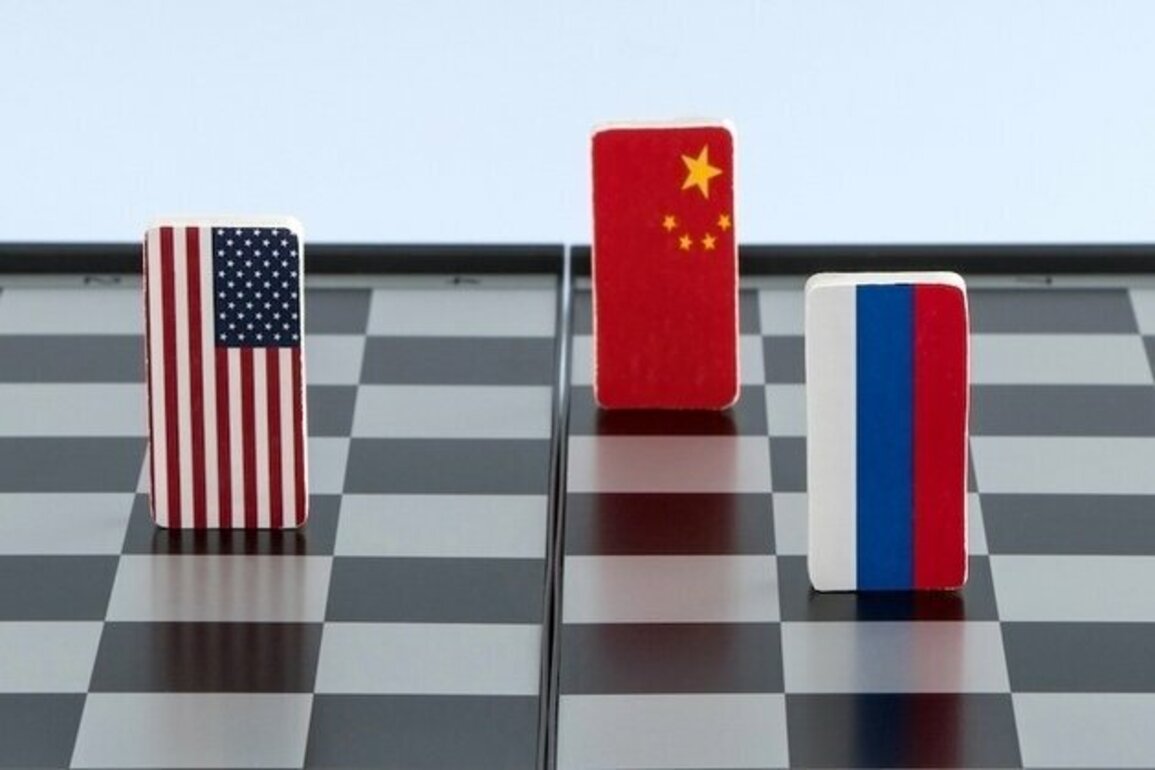
The full impact of the summit remains uncertain, but it has undoubtedly sparked a period of doubt and debate about the future of international relations and the balance of power.Chinas rise as an economic superpower and Russias military actions in Ukraine have prompted a major re-evaluation of American international policy since the 1940s. From Americas perspective, it is vital to recognise that Russia cannot be entirely excluded from European security. Adopting a confrontational stance risks recreating Cold War mindsets and increasing the chance of pushing Russia and China nearer to each other. That is why the Trump administration considers ending the Russo-Ukraine war as a priority. Doing so would enhance US security while fostering better relations between Moscow and the West, thereby reducing the pressure on Russia to form an alliance with China.
Further Reading on E-International Relations
- Putins PR Win and Trumps Strategic Misstep at the Alaska Summit
- Opinion Five Scenarios for the War in Ukraine Under a Trump Presidency
- Putins Apologists Must Face a Sobering Reality
- Opinion On 9 May Putins Russia Will Glorify War and Stalin
- Opinion The Wests Mental Lockdown over Putins Invasion of Ukraine
- Vladimir Putins Imperialism and Military Goals Against Ukraine
About The Author(s)
Callum Gaskellis a PhD candidate at Keele University.
Bulent Gokayis a professor of International Relations at Keele University.
TagsDonald TrumpRussia-Ukraine WarUkraine ConflictVladimir Putin