

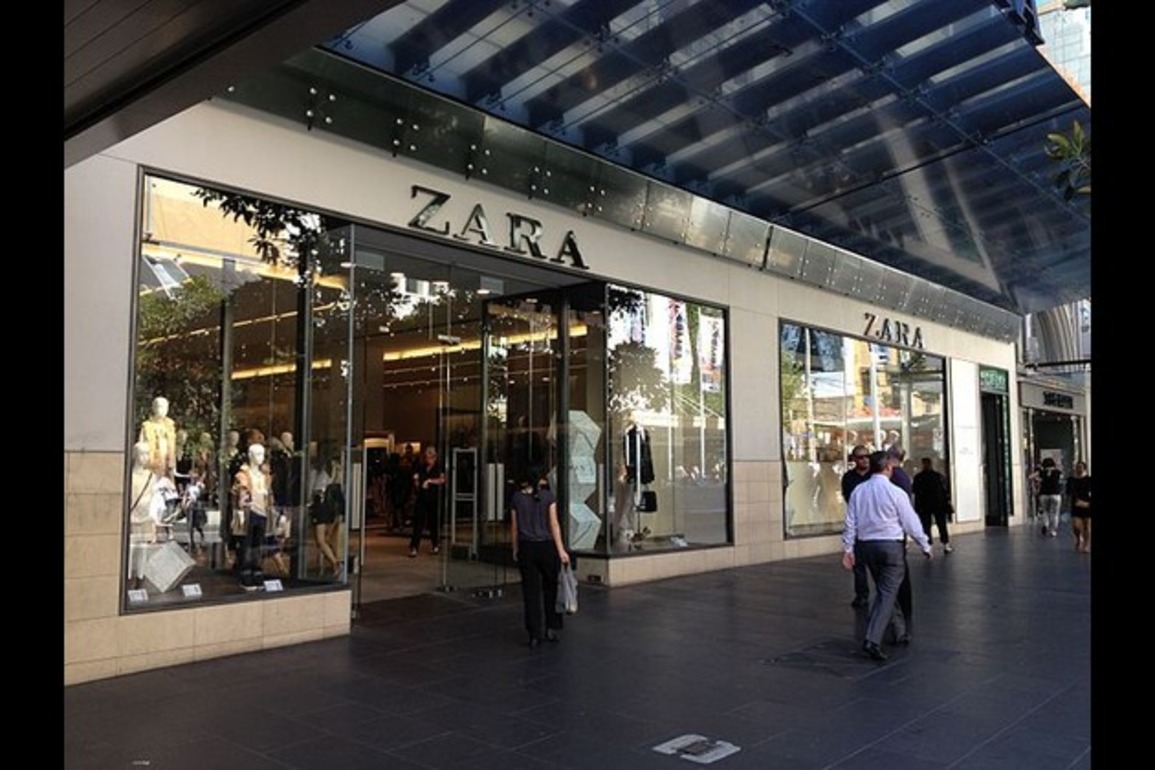
LONDON, U.K.: Fast-fashion retailer Zara has begun using artificial intelligence to digitally generate new images of real-life models wearing different outfits, marking another step in the fashion industry's push to accelerate production and rethink traditional photoshoots.
Zara's move places it alongside rivals such as Sweden's H&M, which earlier this year said it had created AI-generated clones of models for marketing purposes, and online fashion retailer Zalando, which is also using AI to produce imagery more quickly.
The experimentation reflects a broader industry shift that could significantly reshape fashion photography and the teams that support it.
"We are using artificial intelligence only to complement our existing processes," a spokesperson for Zara owner Inditex said in a statement. "We work collaboratively with our valued models, agreeing on any aspect on a mutual basis, and compensate in line with industry best practice."
Zara's use of AI was first reported by the London business-focused newspaper CityAM. The publication cited an unnamed model who said Zara sought permission to edit their images using AI to showcase different garments, adding that they were paid the same amount as they would have been for an additional photoshoot requiring travel.
H&M and Zalando, like Inditex, have said AI is intended to support creative teams and improve efficiency rather than replace them, pushing back against concerns about potential job losses among photographers, models, and production crews.
Inditex chair Marta Ortega, daughter of company founder Amancio Ortega, has frequently spoken publicly about her passion for fashion photography. Since 2021, her MOP (Marta Ortega Perez) Foundation gallery in A Coruna — the northern Spanish city where Zara was founded — has hosted exhibitions celebrating the work of renowned photographers.
The gallery is currently exhibiting fashion photography by Annie Leibovitz, while previous shows have featured industry icons such as Steven Meisel, with whom Zara has worked extensively, and Helmut Newton.
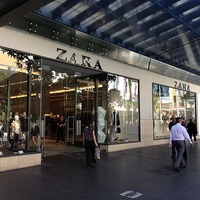
Under Ortega's leadership, Zara has sought to move upmarket, reducing its store count while focusing on fewer, larger flagship locations designed to offer a more spacious and refined shopping experience.
Despite assurances from brands that AI will remain a complementary tool, concerns persist within the creative community.
Isabelle Doran, chief executive of the Association of Photographers in London, said the increasing use of AI would likely reduce the frequency with which photographers, models, and production teams are commissioned.
She warned the shift could affect "a whole ecosystem of established professionals as well as early-career fashion photographers trying to get a foothold in the industry," as brands look to streamline costs and timelines through technology.