

SUGARLOAF, Pennsylvania: As artificial intelligence drives a surge in electricity demand across the United States, utilities are planning a wave of high-voltage transmission lines to power massive data centers, a build-out that is increasingly meeting resistance from landowners and local communities.
John Zola says the conflict has already reached his doorstep.
For him, the 40 acres he owns in northern Pennsylvania once felt like paradise — rolling hills dotted with apple orchards, a barn, open meadows, and enough land for four homes so he and his three adult children could live close together.
But Zola says that changed when a contractor working for the local power utility knocked on his door in late 2024 with news that a 500-kilovolt transmission line could cross his property. "It's been hell," he said.
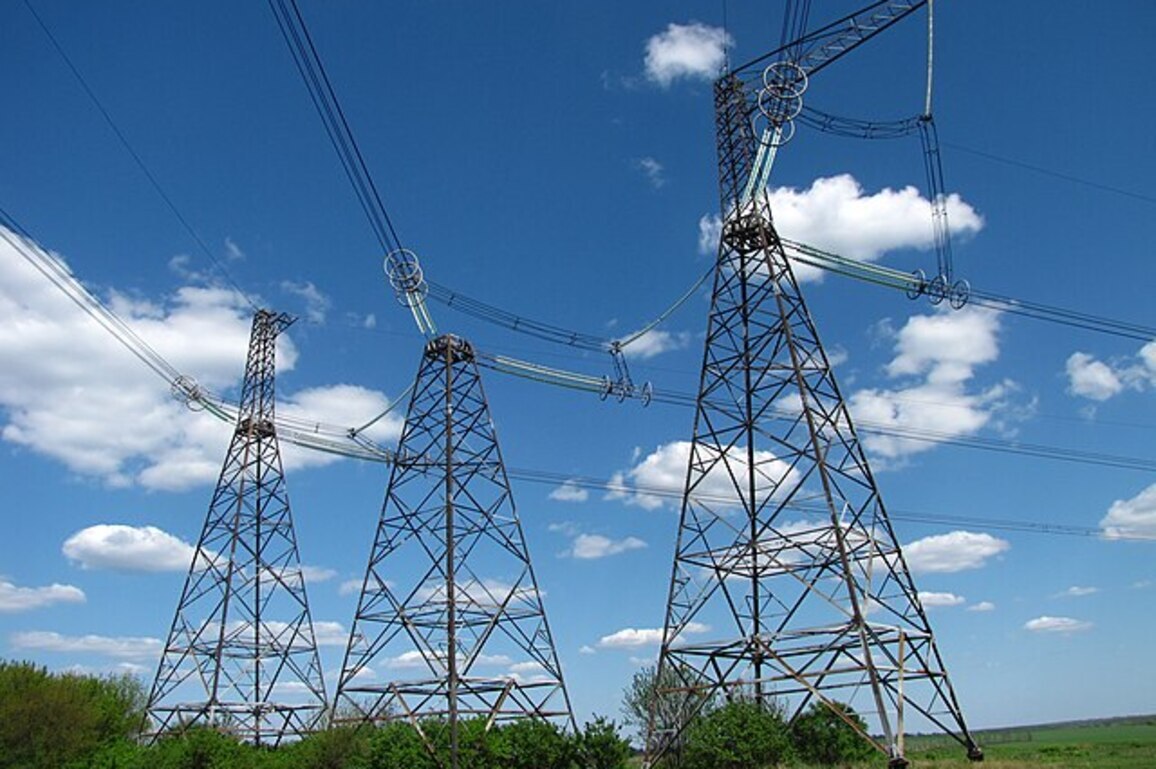
The planned project would install 240-foot metal towers, roughly ten times the height of the century-old apple trees on his land. Zola says the towers would loom over the family homes, the basketball court, and the swimming pool where his grandchildren play.
Projects like this one are increasingly being proposed across the United States as utilities prepare for the energy demands of the artificial intelligence boom.
Electricity from these lines could travel hundreds of miles to supply power to enormous data centers operated by the world's largest technology companies.
President Donald Trump has championed the growth of AI as vital to U.S. economic and national security interests. But the technology's energy requirements are straining an already aging power grid, leaving communities like Zola's caught in the middle.
The local utility PPL said it is trying to balance its responsibility to deliver electricity reliably while minimizing disruption to landowners.
Zola sees it differently. "They don't look at whose lives they are destroying, whose property they are destroying," he said.
Power Lines and Data Centers Collide
Transmission lines are becoming a new flashpoint in the debate over the rapid expansion of tech infrastructure.
Across the country, residents have already mounted opposition to dozens of large data centers over concerns that they could raise electricity prices and alter local communities.
The proposed power lines are triggering similar pushback. Critics argue that they threaten farmland, natural habitats, waterways, and property values — all for electricity that may primarily benefit distant tech companies.
Large transmission projects have historically faced lengthy permitting battles, but for years, power demand remained relatively stable, reducing pressure to expand the grid.
Now analysts say the system is aging, inefficient, and increasingly strained by surging electricity demand. Utilities warn that without major upgrades, the grid could face widespread outages during extreme weather.
Power companies argue that even transmission lines built to serve large customers such as data centers ultimately strengthen the grid for everyone.
Still, the scale of new projects is vast. Unlike local distribution lines mounted on wooden poles, these high-voltage lines use towering steel structures and carry electricity over long distances. Some require corridors 200 feet wide.
Rising Costs and Growing Resistance
Utilities expect transmission projects to become one of the fastest-growing areas of spending in the power sector. Industry forecasts show annual transmission investment doubling to nearly US$50 billion between 2019 and 2028. But opposition is building among landowners, conservationists, consumer advocates, and even state governments.
In Texas' Hill Country, the Hill Country Preservation Coalition has formed to oppose one of three planned 765-kilovolt transmission lines, the highest voltage used in the United States.
Founder Jada Jo Smith said the project feels like a nearly unstoppable "Goliath." Her group is pushing regulators to route the line along existing highway corridors instead of crossing environmentally sensitive areas.
"Why would you choose a route that would potentially harm our most iconic rivers that we have left in the state of Texas?" Smith said.
Similar Debates are Unfolding Elsewhere
Pennsylvania's consumer advocate Darryl Lawrence is challenging a $1.7 billion transmission project stretching more than 200 miles across the state.
Lawrence questions whether the demand projections behind the line, including electricity needed for data centers, will materialize.
"I think you may see more of those," said Todd Snitchler, president and CEO of the Electric Power Supply Association. "These are real dollars, and consumers are paying a lot of attention."
Grid operators say the need for new infrastructure is urgent. The Midcontinent Independent System Operator, which oversees the electric grid across much of the Midwest, told federal regulators that demand from manufacturing and data centers means the need for new transmission capacity "has never been greater."
Landowners Weigh Their Options
Back in eastern Pennsylvania, PPL says demand in its territory is expected to surge as data center projects expand.
The company estimates peak electricity demand in the region could more than triple by 2030.
PPL says its 12-mile Sugarloaf transmission project would minimize disruption by expanding an existing corridor that previously carried a smaller residential line.
The utility has offered payments to landowners for access to their property, though some fear that refusing could lead to eminent domain proceedings.
Zola said he recently received a higher compensation offer. "My offer went from $17,000 to $85,000," he said. But he says no payment would be enough. "And there's no amount of money for me," Zola said. "And when you come here, you'll understand why."