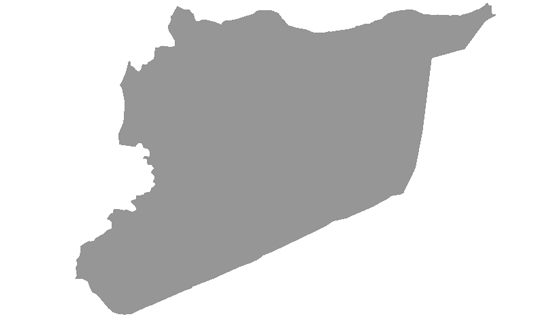


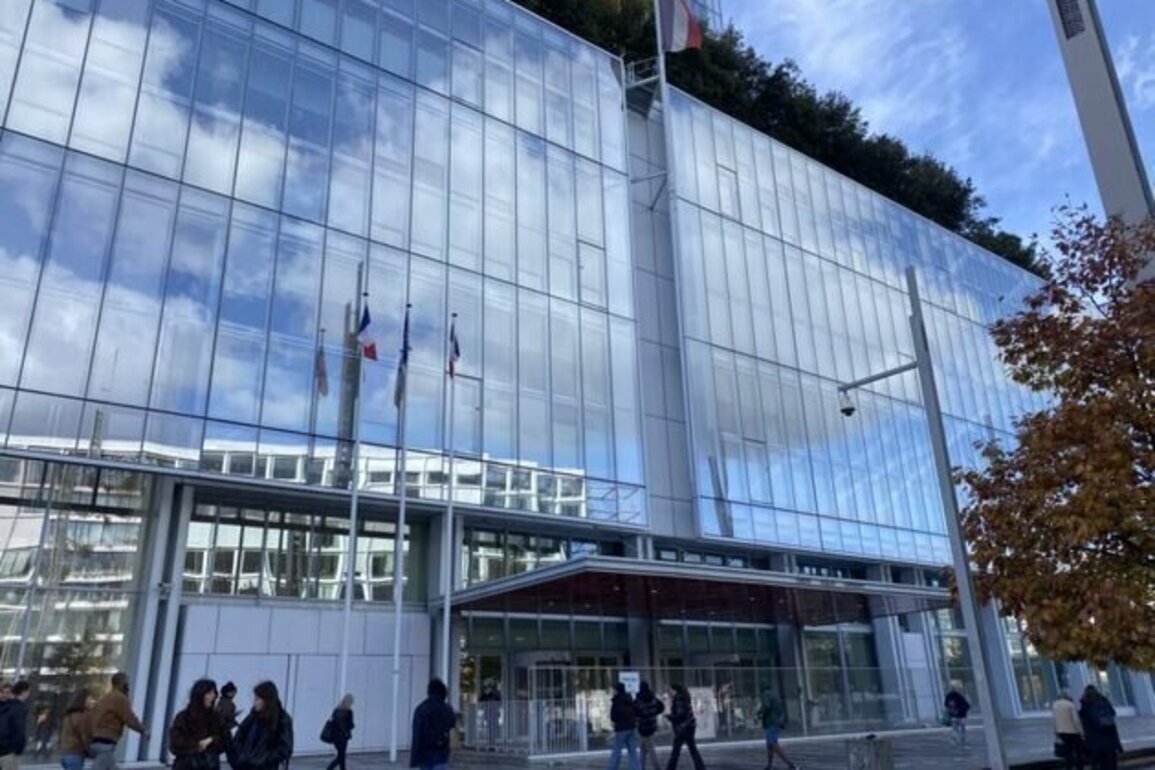
PARIS (CN) - The multinational cement giant Lafarge SA and eight former executives were found guilty on Monday at the Paris Criminal Court of financing terrorist enterprises in Syria to keep one of its plants running after civil war erupted in 2011. The company was also found guilty of breaching European sanctions.
The trial marked the first time in France a corporation was charged with financing terrorist enterprises. Four former executives were also charged with violating international financial sanctions by funding groups linked to al-Qaeda, the Nusra Front and the Islamic State group.
The defendants faced up to 10 years in prison and fines of up to roughly $263,000. Lafarge SA, as a company, faced up to 10 times that amount.
But the trial also revealed a complex story of the plant's operations under the Syrian Civil War, which were linked to shady payments, human rights violations and the potential involvement of state intelligence services.
The story dates back to 2008, when Lafarge acquired the Jalabiya cement plant in northern Syria for roughly $680 million, while it was still under construction. But the year after it became operational in 2010, the country broke out into civil war under the Arab Spring, leaving a power vacuum that sent various insurgent groups fighting for control.
The landscape quickly changed. By 2012, Jalabiya was in the crosshairs of groups like the Nusra Front and the Islamic State group, which took control of the plant's surrounding roads and infrastructure. Lafarge finally decided to evacuate its expat workforce to Egypt and Jordan; however, instead of shutting operations down, it left its Syrian employees on the ground to keep the plant running.
"The first thing is to realize the incredible ... I wouldn't say blindness, but the incredible spiral in which Lafarge's executives found themselves caught up, starting in the summer of 2013," Philippe Hardouin, former Lafarge employee and author of "The Lafarge affair in Syria and its shadow wars," said. "It was obvious that the situation was changing and that they should have left at that point."
But according to investigators, Lafarge paid the Nusra Front and the Islamic State group almost $4 million to facilitate the safe passage of its employees. They also paid over $2 million for raw materials to keep the factory operating, which were obtained through suppliers associated with the Islamic State, investigators say.
Prosecutors said these employees were left vulnerable to the violence of armed terrorist groups. Between 2012 and 2014, almost 20 of them were kidnapped; according to human rights organization Sherpa - which filed the original lawsuit against Lafarge in 2016 alongside the European Center for Constitutional and Human Rights - although Lafarge paid ransom for some people, other victims had to rely on help from family members.
In 2014, the IS group took over the plant. And since no evacuation plan had been put into place, its Syrian employees had to escape without support, according to Sherpa.

The defendants in the case - including Lafarge's former CEO Bruno Lafont, its Syria plant supervisor Christian Herrault, and ex-Norwegian intelligence operative Jacon Waerness - arrived at the Paris Criminal Court wearing tailored suits and elbow pads when the trial began on Nov. 24, 2025.
They were confronted with 11 of their Syrian counterparts, who joined the case as plaintiffs and testified in court.
"I think it showed the impact it had on the lives of the employees; all of the defendants in their hearings said they recognized the suffering that it had caused and apologized for it," Anna Kiefer, a litigation officer at Sherpa, said. "But then there was also a lack of recognition of their responsibility in this, because they all pleaded not guilty."
Throughout the trial, the defense was met with a major hurdle. In 2022, the U.S. Justice Department filed charges against Lafarge. The company pleaded guilty to one count of "conspiring to provide material support for terrorist groups," and paid $778 million and cash and assets to avoid a trial in the U.S.
However, there was a caveat; under the plea agreement, Lafarge could not contradict the facts that it had already admitted in this lawsuit, even in foreign courts. So during the hearings, the primary line of defense was that the executives were not aware that the IS group and Nusra Front were terrorist organizations, despite some emails suggesting otherwise.
"So on the one hand you have the CEO [Lafont] who didn't recognize the fact of knowing and knowingly paying these groups," Kiefer said. "And then you have the second in charge [Herrault], who recognized the facts of paying these groups while wanting to instill doubts as to whether it was a crime at the time."
The company was purchased by the Swiss Holcim Group in 2015. A representative for Lafarge told Courthouse News in an emailed statement when the trial opened: "This is a legacy Lafarge SA issue, which Lafarge SA is addressing responsibly through the legal process. It involves actions that occurred more than a decade ago and were in flagrant violation of Lafarge SA's Code of Conduct. None of the former executives who are standing trial as individuals are with Lafarge SA or any affiliated entities today."
Source: Courthouse News Service