

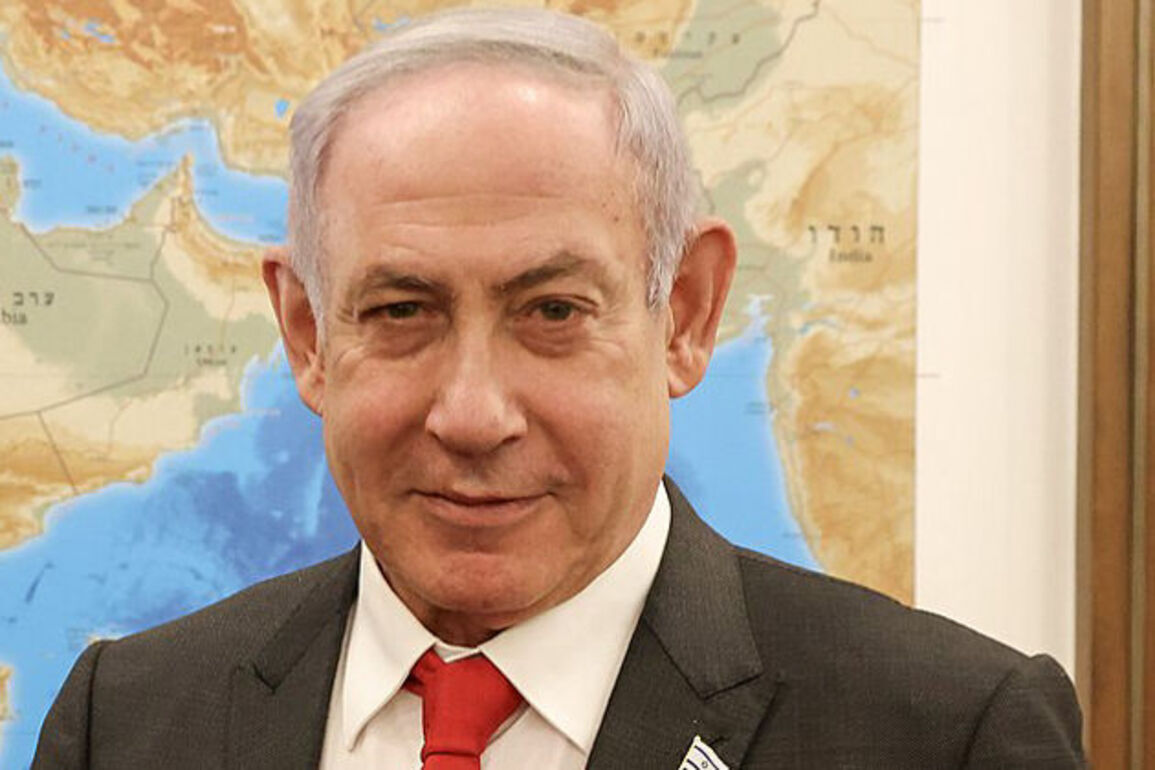
TEL AVIV, Israel: Benjamin Netanyahu is facing criticism at home after U.S. President Donald Trump said Israel would stop plans to attack Iran-backed Hezbollah in Beirut.
This has highlighted the pressure Netanyahu is under ahead of the upcoming elections, with polls showing he may lose.
Trump said this week that Israel and Hezbollah had agreed to stop attacking each other. This came just hours after Netanyahu ordered new strikes on Beirut's southern suburbs, which led Iran to warn that Israel was putting its talks with the U.S. at risk.
Lebanon's government later confirmed a new ceasefire between Israel and Hezbollah. Under the deal, Israel would stop strikes on southern Beirut, and Hezbollah would stop attacking Israel.
Netanyahu's political rivals, ahead of elections due by October, accused him of giving in to Trump on national security matters.
Naftali Bennett, a right-wing leader and former prime minister, said the situation showed a pattern of weak leadership. He also criticized Netanyahu over the return of Hamas activity in Gaza, saying the government had lost control of Israeli sovereignty.
Bennett and his election partner, Yair Lapid, have both pushed for stronger military action against Hezbollah. Lapid said Israel was acting like it was under U.S. control, accusing Netanyahu of letting Washington decide its military policy.
Despite a ceasefire brokered by the U.S. on April 16, Israel and Hezbollah have continued exchanging fire. The current conflict began on March 2, when Hezbollah launched attacks on Israel in support of Iran.
Since then, Israel has expanded its military operations in southern Lebanon, displacing over a million people and killing more than 3,400, as it carries out strikes it says are aimed at Hezbollah. The group has not released its own casualty figures.
Hezbollah has responded by firing rockets and explosive drones at Israeli troops and towns in northern Israel. Israel says 26 soldiers and four civilians have been killed since March 2.
Netanyahu has rejected criticism of his actions, saying Israeli airstrikes have weakened Hezbollah. After Trump's announcement, he said Israel's position had not changed and warned that if Hezbollah continues attacking Israeli cities, Israel would strike targets in Beirut.
Israel has continued attacks on southern Lebanon even after Trump's statement. On June 2, Defense Minister Israel Katz said Israel had held back from striking Beirut at the request of the U.S., but warned that any new Hezbollah attacks would lead to strikes on southern Beirut, a key stronghold of the group.
Gadi Eisenkot, who is also running for prime minister, criticized Trump's demand, calling it unreasonable and saying no previous Israeli leader had accepted such a condition.
The criticism shows growing tension within Israel over how much its military decisions should be coordinated with the United States.
Netanyahu's coalition partner, Itamar Ben Gvir, said Israel should reject U.S. pressure.
The English-language newspaper The Jerusalem Post wrote that Israel was in a "humiliating position" of needing U.S. approval to defend itself, adding that the United States was actively limiting Israel's ability to take strong military action.