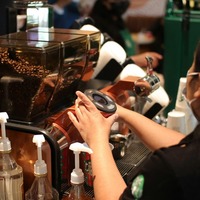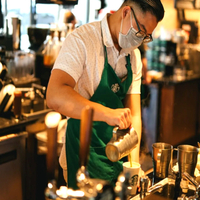


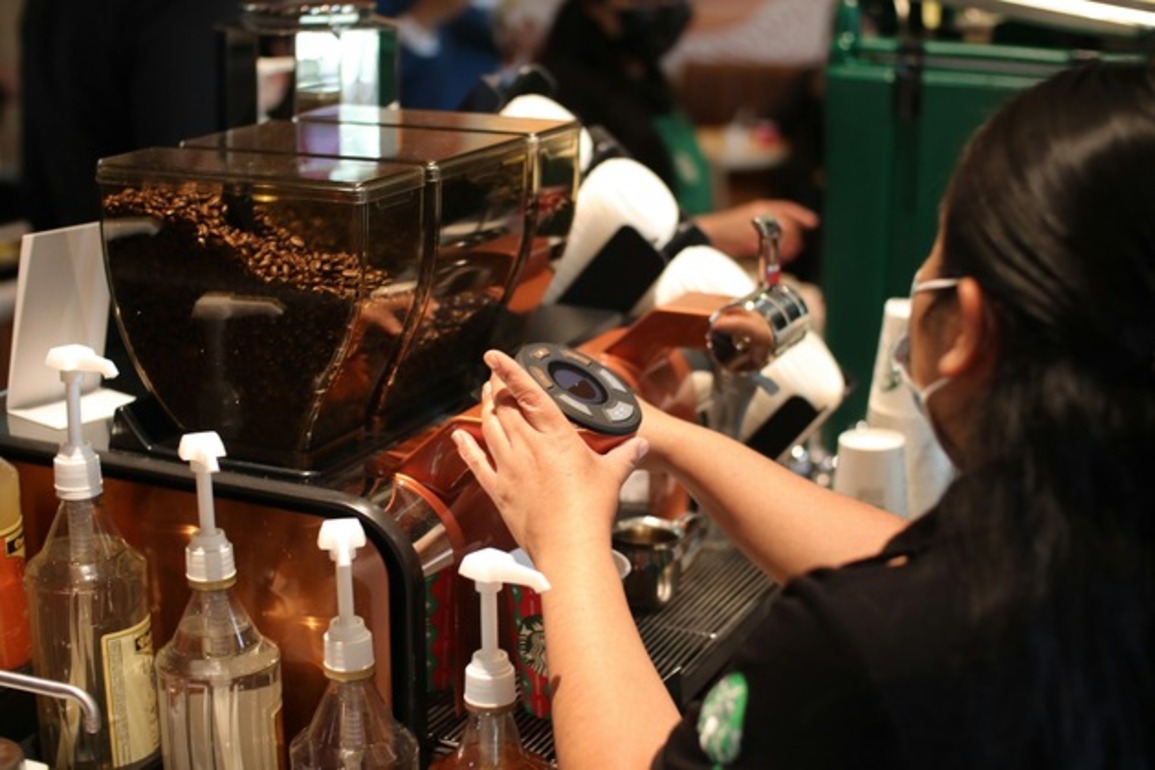
SEATTLE, Washington: Starbucks faces renewed labor unrest as unionized baristas voted to authorize an open-ended strike ahead of the coffee chain's busy holiday season, the Starbucks Workers United union said on November 5.
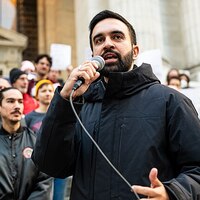
The workers say they are ready to walk out if a contract is not finalized by November 13, the company's annual Red Cup Day, one of Starbucks' highest sales days of the year. Strike actions could spread to more than 25 cities and escalate if talks remain stalled, the union warned.
"If Starbucks keeps stonewalling, they should expect to see their business grind to a halt. The ball is in Starbucks' court," said Michelle Eisen, a union spokesperson who left the company after 15 years.
Negotiations between Starbucks and the union, which represents about 9,500 workers, or roughly four percent of its café workforce, broke down late last year. Both sides accuse the other of walking away from the table, but say they are willing to return to talks.
The union has filed over 1,000 charges with the National Labor Relations Board, alleging unfair labor practices, including retaliation and refusal to bargain. Starbucks has denied wrongdoing, saying it already provides some of the best pay and benefits in the retail industry.
"Any agreement needs to reflect the reality that Starbucks already offers the best job in retail," the company said in a statement. It noted that employees who work 20 hours or more per week receive health insurance, parental leave, and tuition coverage for online courses at Arizona State University.
Starbucks said it expects to keep most stores open through the holiday season, "regardless of the union's plans."
The dispute comes as the company struggles to reignite growth. CEO Brian Niccol, who took the helm earlier this year, has moved to overhaul U.S. store operations after six consecutive quarters of declining sales. On October 29, Starbucks reported flat same-store sales in North America and 1 percent growth globally.
The company has also shuttered more than 600 stores, including its flagship unionized café in Seattle, and cut corporate jobs as part of a turnaround plan.
Union organizers say Starbucks' contract proposals so far have fallen short. In April, delegates rejected an offer guaranteeing annual raises of at least two percent, arguing it provided no improvements to healthcare or immediate pay increases.
In October, New York City Comptroller Brad Lander and several Starbucks shareholders urged the company to resume negotiations, calling the prolonged standoff bad for both the brand and investors.