

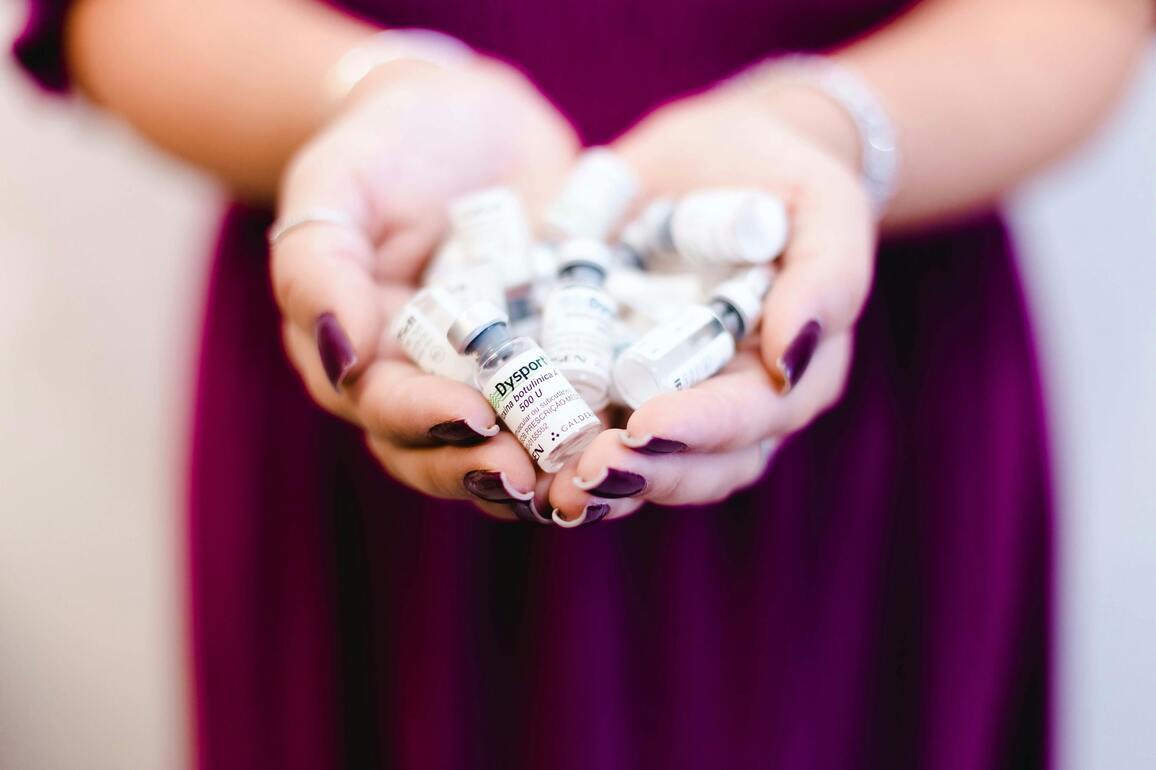
NEW YORK CITY, New York: The rapid rise of popular weight-loss drugs is creating an unexpected boom for aesthetic medicine, as companies prepare for increased demand from patients dealing with the physical after-effects of significant weight loss.
Firms such as Apyx Medical, InMode, Establishment Labs, and Evolus are targeting patients experiencing loose skin and facial volume loss linked to the growing use of GLP-1 obesity drugs. The global market for these treatments is expected to reach US$100 billion annually by 2030.
"One of the biggest new drivers of this shift is the rapid adoption of GLP-1 drugs," Apyx CEO Charles Goodwin said, noting that demand for skin-tightening procedures is likely to rise as more patients lose weight quickly.
Lower costs for leading drugs such as Wegovy from Novo Nordisk and Zepbound from Eli Lilly are also encouraging broader use. In some cases, patients are paying under $500 a month, about half of earlier prices, freeing up spending for cosmetic treatments.
The trend is helping revive an industry that had faced weaker demand due to inflation and higher borrowing costs. Analysts expect improved performance through 2026 as more consumers pursue aesthetic procedures.
Apyx, which offers minimally invasive body contouring systems, expects revenue growth of 9 percent to 11 percent this year. Meanwhile, Moshe Mizrahy of InMode said that while GLP-1 drugs may reduce demand for traditional liposuction in the short term, they will likely boost long-term demand for skin-tightening solutions.
"Long term, we believe it will help us, because once you lose fat, you have loose skin, and you need to tighten the skin," Mizrahy said.
Other segments are also benefiting. Establishment Labs, known for its Motiva breast implants, expects annual revenue growth of about 25 percent, with analysts pointing to increased demand for breast augmentation among weight-loss patients.
Injectables maker Evolus is forecasting revenue growth of 10 percent to 13 percent, as more consumers seek treatments for so-called "Ozempic face," a term used to describe facial sagging following rapid weight loss. CEO David Moatazedi said the company is actively targeting this emerging patient group, describing the shift as "structural" rather than temporary. "We don't expect it to slow anytime soon," he said.
Industry experts say the trend is likely to continue as newer and more affordable weight-loss therapies become available. Bob Basu, president of the American Society of Plastic Surgeons, said broader access to these drugs will naturally increase demand for aesthetic procedures.
Recent earnings reflect the shift. AbbVie, which makes Botox and Juvederm fillers, reported better-than-expected quarterly results, with its aesthetics division posting a 7.6 percent rise in global sales.