

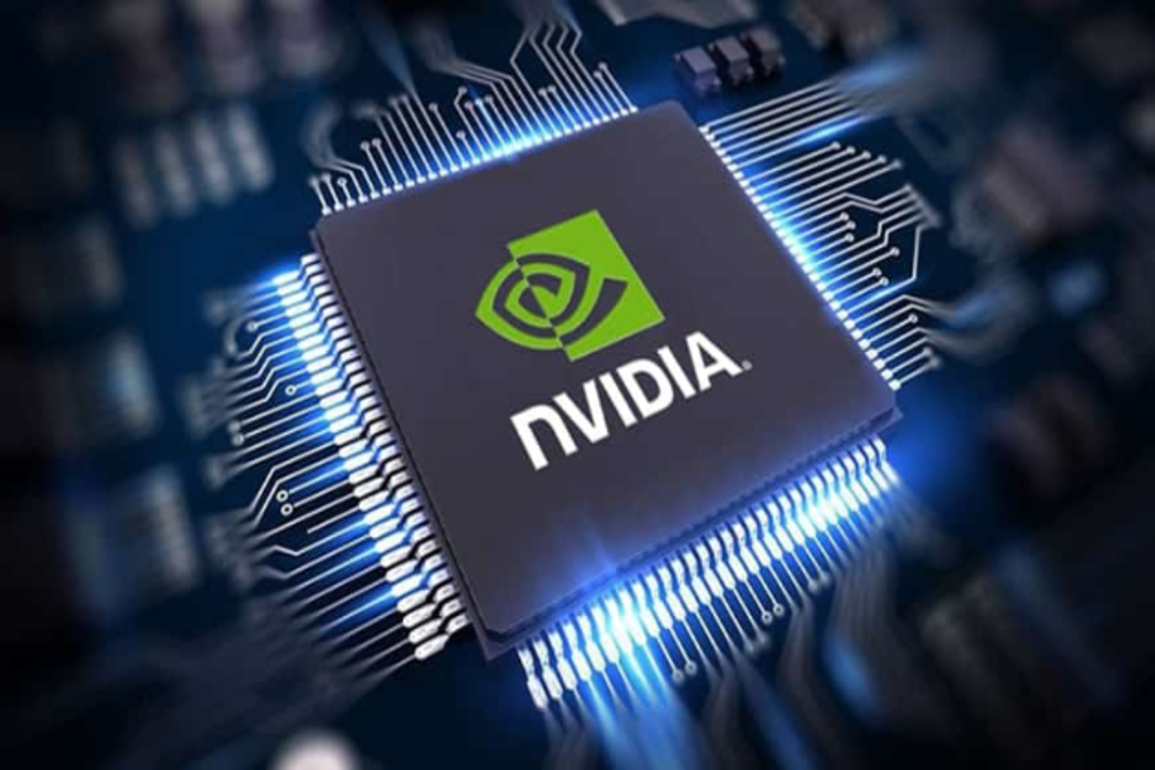
WASHINGTON, D.C.: The Biden-era restrictions on U.S. chip exports to China took a sharp turn this week as President Donald Trump said he would allow Nvidia to sell one of its advanced artificial intelligence chips to "approved customers" in China, opening a new chapter in the ongoing tug-of-war between economic opportunity and national security.
For months, policymakers and industry leaders have debated how far the U.S. should go in limiting China's access to cutting-edge semiconductors. While advanced chips can strengthen China's AI capabilities, they are also vital to the broader global AI market, dominated by American companies such as Nvidia.
The chip at issue is Nvidia's H200, a powerful processor but not the company's top-of-the-line design. Nvidia's most advanced products, Blackwell and the forthcoming Rubin, were not included in Trump's approval.
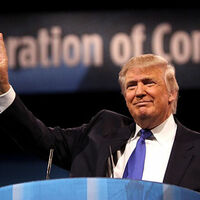
Trump said on social media that he had informed Chinese President Xi Jinping of the decision and that "President Xi responded positively!" He added, "This policy will support American Jobs, strengthen U.S. Manufacturing, and benefit American Taxpayers."
Nvidia welcomed the news. In a statement, the company said it applauded Trump's decision, arguing that allowing the Commerce Department to vet commercial buyers would "strike a thoughtful balance" between economic growth and national security.
But several Democratic senators voiced sharp opposition, warning that easing chip restrictions could bolster China's military and cyber capabilities.
"Access to these chips would give China's military transformational technology to make its weapons more lethal, carry out more effective cyberattacks against American businesses and critical infrastructure, and strengthen its economic and manufacturing sector," they said in a joint statement.
The group included Sens. Chris Coons, Jeanne Shaheen, Jack Reed, Elizabeth Warren, Brian Schatz, Andy Kim, Michael Bennet, and Elissa Slotkin.
The senators also pointed to comments from Chinese AI firm DeepSeek, which recently said the lack of access to the most advanced U.S. chips is its most significant barrier to competing with American leaders such as OpenAI, Google, Microsoft, Anthropic, Perplexity, and Palantir.
Trump added that the Commerce Department was "finalizing the details" for other chipmakers, including AMD and Intel, to sell certain technologies abroad.
The approval for H200 sales highlights Nvidia CEO Jensen Huang's growing influence in Washington and his increasingly close relationship with Trump. Nvidia, now valued at US$4.5 trillion, saw a slight uptick in its stock price in after-hours trading following the announcement.