

LAS VEGAS, Nevada: Nvidia is moving from hype to hardware in its next phase of the AI boom, with its chief executive saying the company's latest generation of processors is already rolling off production lines and being tested by customers ahead of launch later this year.
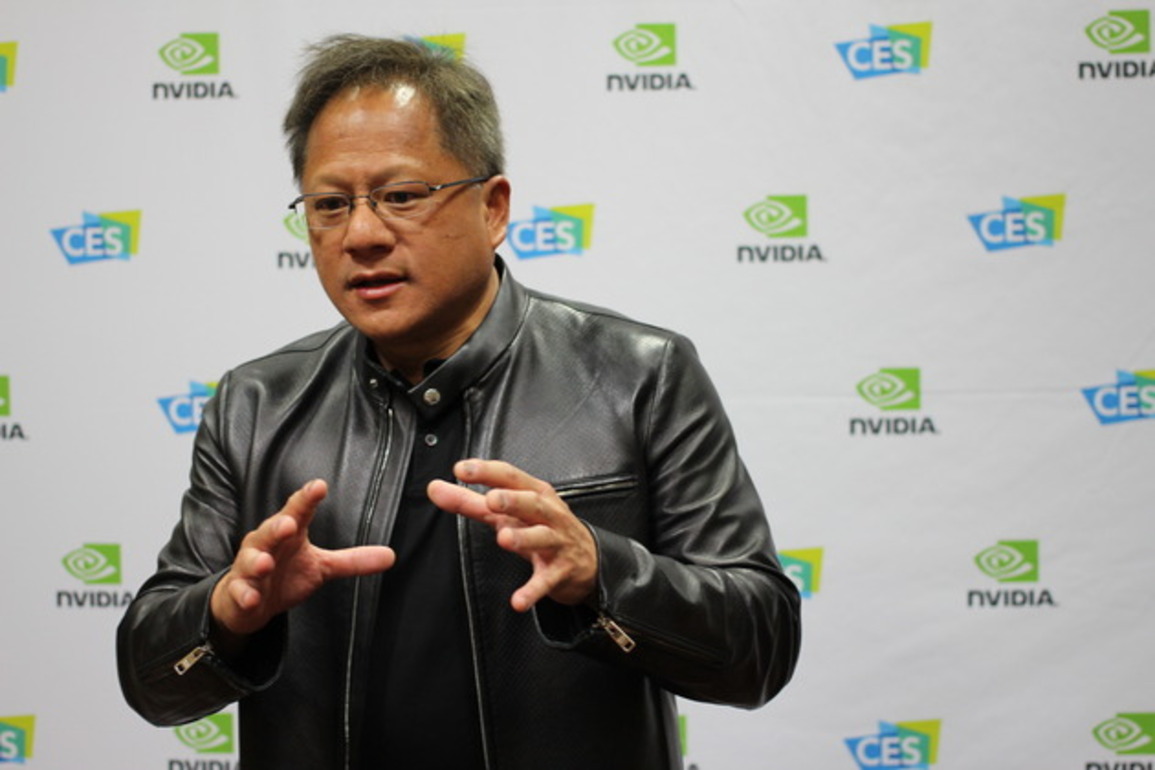
Nvidia CEO Jensen Huang said the company's next generation of chips is in "full production" and can deliver five times the artificial-intelligence computing power of its previous products when running chatbots and other AI applications.
Huang revealed the details during a keynote at the Consumer Electronics Show in Las Vegas, as Nvidia faces rising competition from both traditional rivals and some of its biggest customers developing their own chips.
The new Vera Rubin platform, which combines six separate Nvidia chips, is expected to debut later this year. The flagship server will contain 72 graphics processing units and 36 of Nvidia's new central processors. Huang said the systems can be linked into large "pods" holding more than 1,000 Rubin chips, boosting the efficiency of generating "tokens" — the basic units of AI computation — by as much as tenfold.
To achieve that jump in performance, Huang said the Rubin chips rely on a proprietary data format that Nvidia hopes the wider industry will eventually adopt.
"This is how we were able to deliver such a gigantic step up in performance, even though we only have 1.6 times the number of transistors," Huang said.
While Nvidia continues to dominate the market for training AI models, competition is intensifying in inference — the process of deploying those models to serve millions of users. Rivals include Advanced Micro Devices, as well as customers such as Alphabet, which is designing its own chips.
Much of Huang's speech focused on how Nvidia's new hardware improves inference performance. He highlighted a new storage layer called "context memory storage," designed to help chatbots respond more quickly during long conversations.
Nvidia also introduced a new generation of networking switches using co-packaged optics, a technology critical for linking thousands of machines. The move puts Nvidia in more direct competition with Broadcom and Cisco Systems.
The company said cloud provider CoreWeave will be among the first customers for Vera Rubin systems, and expects adoption by Microsoft, Oracle, Amazon, and Alphabet.
Beyond chips, Huang highlighted new software for self-driving cars that records how AI systems make decisions, creating an audit trail for engineers. The software, known as Alpamayo, will be released more broadly along with its training data.
"Not only do we open-source the models, but we also open-source the data that we use to train those models, because only in that way can you truly trust how the models came to be," Huang said.
Last month, Nvidia hired executives and acquired chip technology from startup Groq, a move Huang said would not affect Nvidia's core business but could lead to new products.
Nvidia is also navigating geopolitics. Huang said demand remains strong in China for the H200 chip — a predecessor to the Blackwell series — which Donald Trump has allowed to be sold there. Chief Financial Officer Colette Kress said Nvidia has applied for export licenses and is awaiting approvals before shipping additional units.