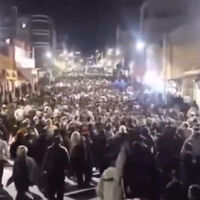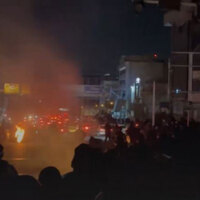


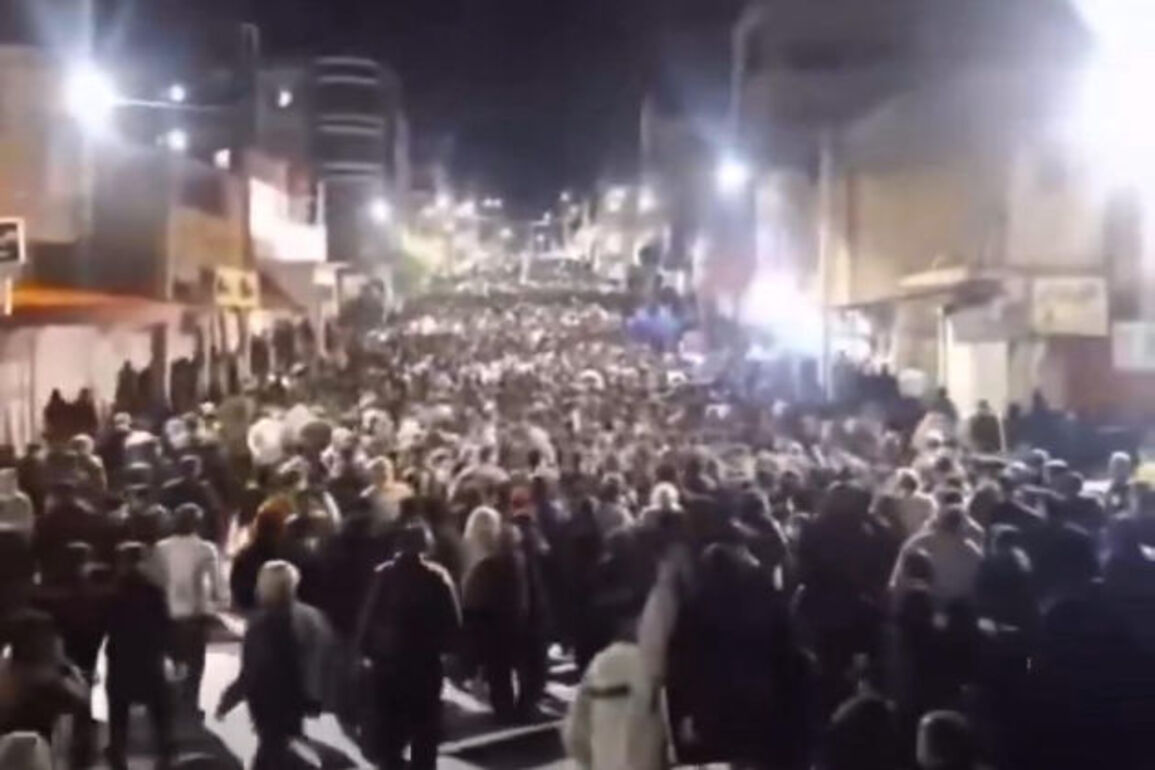
DUBAI, U.A.E: A human rights group has claimed that 45 people have lost their lives in Iran after several days of protests that began in Tehran's bazaar after its currency value plunged and inflation soared, a product of severe sanctions that have gripped the country.
Forty-five protesters, including 8 children have died so far, the Norway-based Iran Human Rights NGO said Friday.
Hengaw, a Kurdish Iranian rights group, said more than 1,000 had been arrested. HRANA is a network of rights activists.
While acknowledging the economic hardships, authorities have accused agencies connected to global powers of stoking the protests. On January 6, Iran's police chief vowed to "deal with the last of these rioters."
Iran's Fars news agency reported that protests by shopkeepers in the bazaar continued, with about 150 people focusing on economic demands.
The protests have spread to some cities in western and southern Iran. However, they are still a far cry from the unrest that swept the nation in 2022-2023 after the death of Mahsa Amini. She died in the custody of the morality police for allegedly violating the Islamic Republic's strict dress code.
Late last week, more international pressure came in the form of U.S. President Donald Trump threatening to help protesters if security forces fired on them. Iran's Supreme Leader Ayatollah Ali Khamenei vowed not to "yield to the enemy." On Friday he told Mr Trump he should "fpcus on problems in his own country."
Authorities say they are taking two approaches to the unrest. They say protests about the economy are valid and will be handled through talks, but some demonstrations have been met with tear gas after violent clashes in the streets.
Police chief Ahmadreza Radan said they are treating protesters differently from what he called rioters, who can be arrested on the spot or later identified by intelligence units and detained.
State news agency Fars said a protest by shopkeepers on Saadi Street in Tehran on January 6 ended without increasing the police presence.
However, videos shared on Telegram by Vahid Online, which has more than 650,000 followers, appeared to show many security forces on motorbikes patrolling the street, and the person filming said tear gas had been used.
President Masoud Pezeshkian has promised reforms to stabilise the currency and banking system and protect people's buying power.
The government also announced subsidy changes, ending special exchange rates for importers and instead giving direct payments to citizens to help them buy basic goods. These changes will start on January 10.
The head of the central bank was replaced on December 29.
The rial fell further on January 6, to 1,489,500 to the dollar, about a four percent drop since the protests began.